Midjourney vs Flux vs Ideogram: Which AI Image Generator for Advertising in 2026?
Midjourney V8, FLUX.2 or Ideogram 3 for your ad creatives? A complete comparison of visual quality, in-image text rendering, prompt fidelity and speed for marketers and agencies.
SociaLover Team · Updated · 15 min read
For ad creatives, FLUX.2 is the safest default (photorealism, prompt fidelity, API access), Ideogram 3 wins any visual that carries a headline or a price, and Midjourney V8.1 wins when aesthetics matter more than precision. Most teams pair two of them. Below: the same three briefs on each model, then a routing table by ad type.
Why do Midjourney, FLUX and Ideogram give such different results?
Because they were not built to do the same job. Midjourney optimizes for how an image looks, FLUX for how faithfully it matches your brief, Ideogram for the words printed inside the frame, so "which one is best?" has no answer in the abstract. The catalogs follow the same split: Midjourney and Ideogram each ship one model, where FLUX ships a small family. In SociaLover that family is FLUX.2, which renders in 1K or 2K from text and up to four reference images, and FLUX Kontext, which edits an existing visual from an instruction.
Artistic aesthetics
Midjourney V8.1
Images of exceptional visual beauty, with an artistic consistency that recalls the work of professional photographers. Artistic style scored 9.8/10. Not available in SociaLover.
Photographic fidelity
FLUX.2
Ultra-realistic images with anatomical precision and prompt fidelity, the benchmark for commercial and e-commerce visuals. Renders in 1K or 2K. Available in SociaLover.
Graphic composition
Ideogram 3
Specializes in compositions with integrated text and flat design, a cornerstone of many advertising creatives. Text scored 9.8/10. Not available in SociaLover.
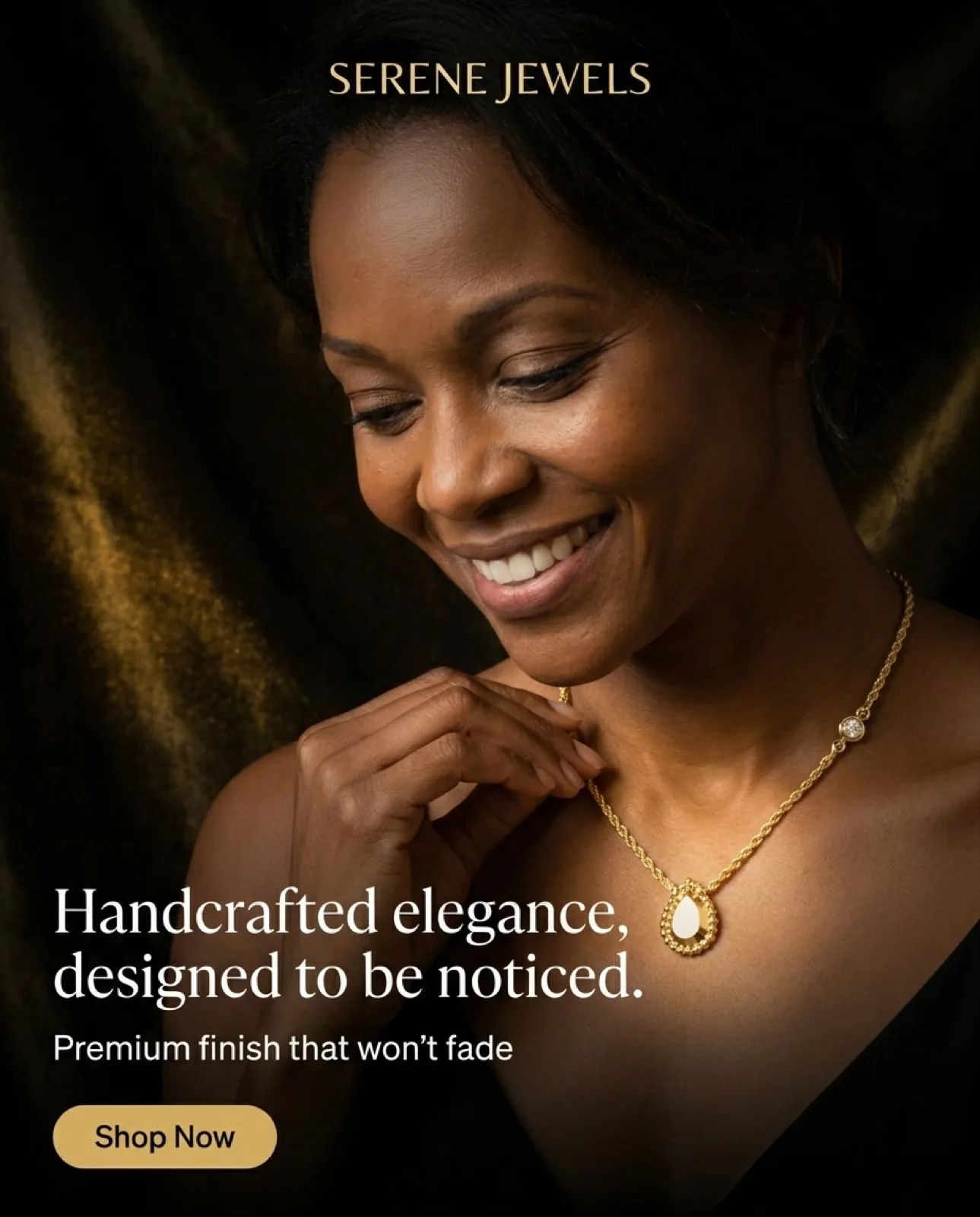
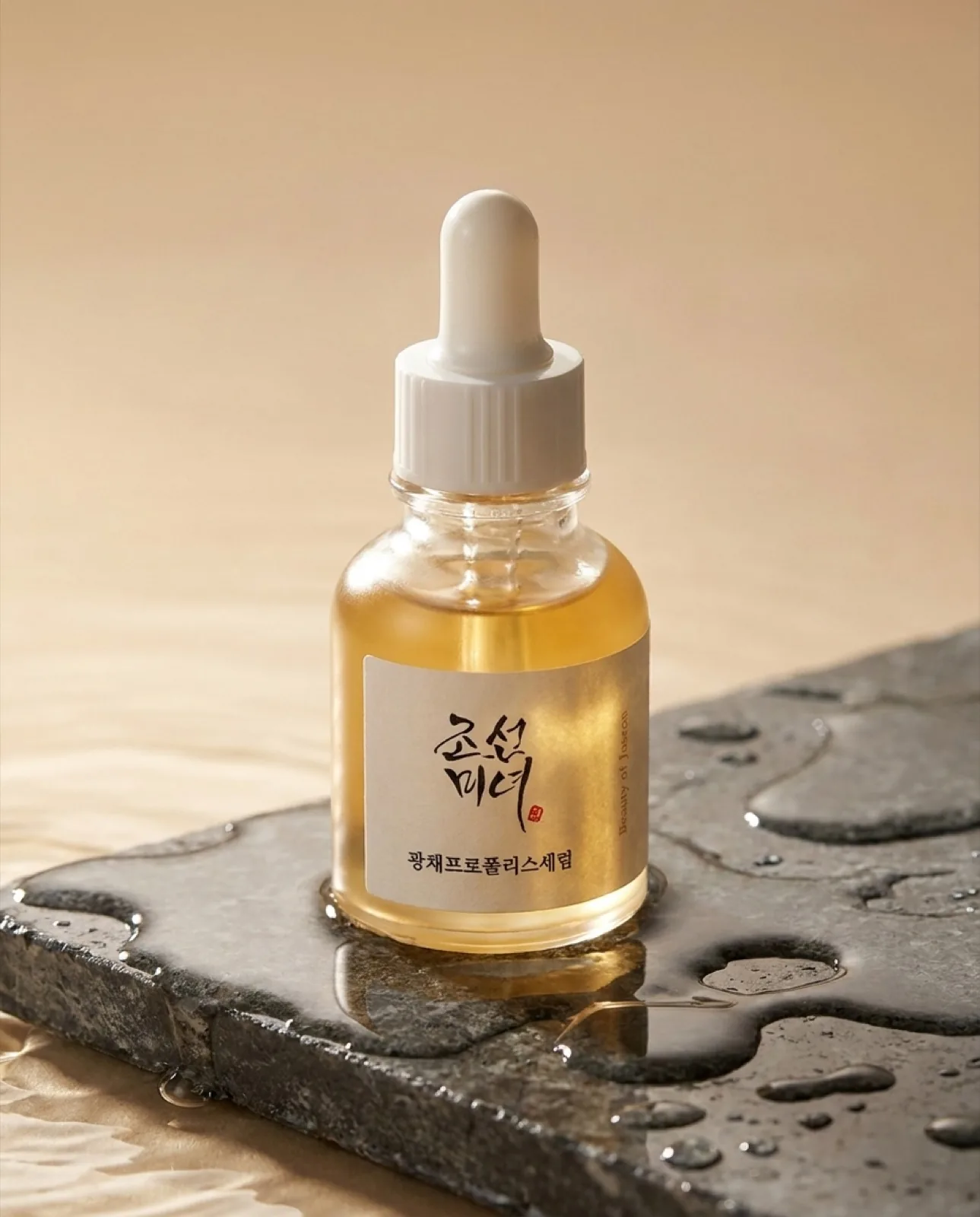
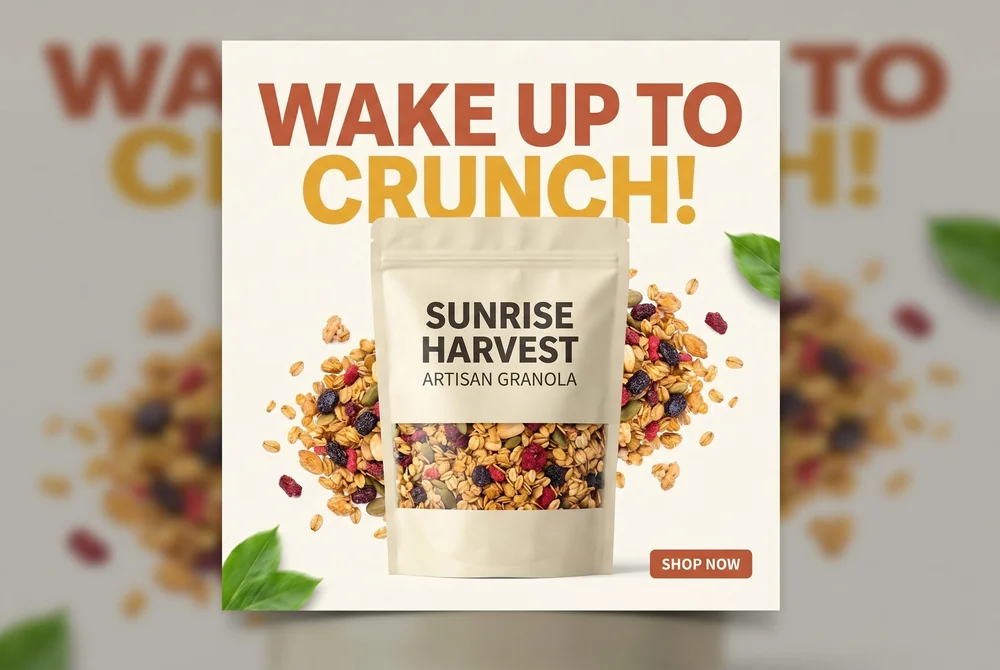
The three jobs, in the order of the cards above: an image judged on how it looks, an image judged on how faithfully it reproduces the product, an image judged on whether the words printed in it are readable. These are creatives produced on SociaLover, shown to illustrate each philosophy, not benchmark renders from each model.
When should you choose Midjourney V8.1 for an ad?
Choose Midjourney V8.1 for the hero image that sets a campaign look, when aesthetics matter more than precision. It produces the most striking images of the three on light, composition and color, and the V8 generation fixed its two historical weaknesses, hands and facial consistency across generations. It is not available in SociaLover, so that hero image is made by hand on Midjourney's own platform and handed to the rest of the chain.
The lack of a public API keeps it out of automated workflows, and text rendering within images remains mediocre, a real handicap for advertising creatives with slogans.
Perfect for
- + Premium brand campaigns
- + Art direction and moodboards
- + High-end fashion and lifestyle
- + Visually strong Instagram ads
Weaknesses
- - No public API, so no automation and no availability in SociaLover
- - Mediocre text in the image
- - Less predictable than FLUX.2 for precise briefs
Where it fits: the hero image that sets a campaign look, created by hand on Midjourney's own platform, then handed to the rest of the production chain.
Which should you pick for a product photo?
FLUX.2. Its anatomical consistency, its handling of textures and materials and its fidelity to a precise brief make it the first choice for e-commerce listings and product advertising, in 1K for the feed and 2K when the visual has to be printed or shown large. It is available in SociaLover, and it accepts up to four reference images, which is what keeps the packaging identical from one scene to the next.
Its real strength is prompt fidelity: ask it for a very precise scene with specific details and it executes with an accuracy that Midjourney does not consistently reach. Essential for advertising briefs with precise directions; our guide on how to prompt FLUX for ad visuals covers the structure that works.
Perfect for
- + E-commerce product photos
- + Meta and Google Shopping ads
- + Portraits and brand visuals
- + Automated content via API or Workflow Pro
Weaknesses
- - Text rendering in the image inferior to Ideogram 3, GPT Image 2 and Nano Banana Pro
- - Fewer whimsical artistic styles than Midjourney
- - Tops out at 2K
The family in SociaLover: FLUX.2 generates from text in 1K or 2K. FLUX Kontext edits an existing visual from a plain-language instruction instead of generating a new one. FLUX 1.1 Pro and the other Black Forest Labs tiers stay on the BFL API and are not offered in SociaLover.
Why can't Midjourney write text in an image, and why can Ideogram?
Midjourney V8.1 renders letters the way it renders any other texture, as shapes that look right from a distance, so words come out approximate or misspelled. Ideogram 3 was built around typography: it lays out real, correctly spelled words inside the composition and keeps them aligned with the rest of the design, which is why it is still the model that most consistently produces clean type. A decisive advantage for any ad with a slogan, a price or a date.
Perfect for
- + Creatives with built-in slogans
- + YouTube thumbnails
- + Instagram posts with text
- + Display ad banners
- + Promotional visuals (prices, dates)
Weaknesses
- - Weaker on complex photographic scenes
- - Face rendering less realistic than FLUX.2
- - Not available in SociaLover
Where it fits: every version of a creative that has to carry a slogan, a price or a call to action, generated with the words already set in the frame. Inside SociaLover, that role goes to GPT Image 2 and Nano Banana Pro.
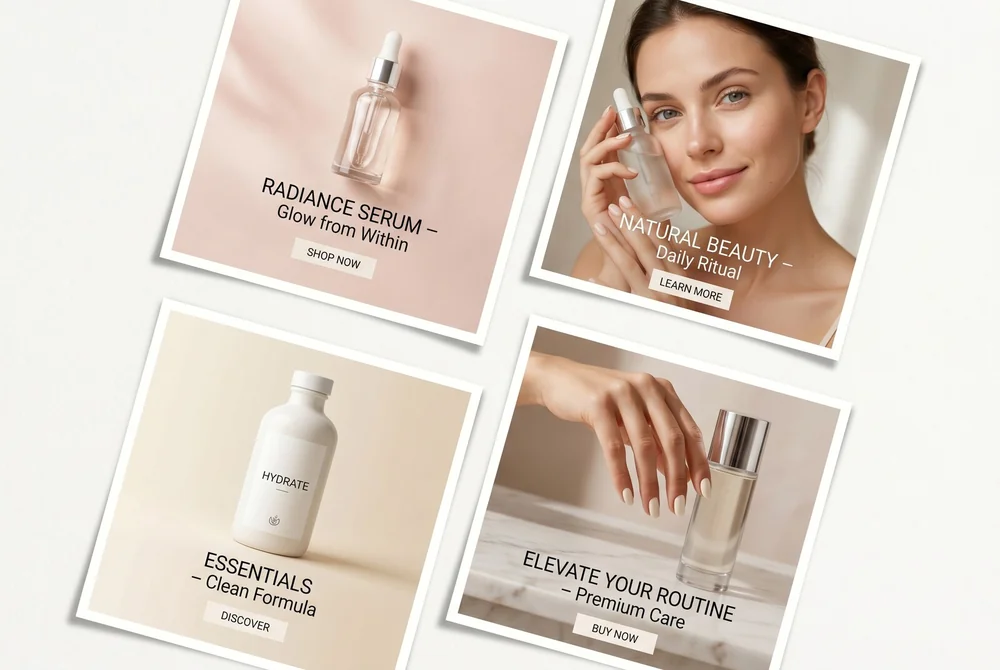
What mastered text actually buys you: on each of these creatives the headline, the line underneath and the button came out of the generation, so the ad is finished the moment the image is. With a photographic model you get the picture, then reopen a design tool to set the words on top, and you redo it for every variation.
How do the three compare on seven criteria?
FLUX.2 wins five of the seven lines, Ideogram 3 wins text in the image and Midjourney V8.1 wins artistic style, and the two lines it wins are the ones that cannot be compensated by anything else. The scores below are the advertising subset of the full image generator comparison, where the same models are scored next to Nano Banana 2, Seedream 4.5 and GPT Image 2.
| Criterion | Midjourney V8.1 | FLUX.2 | Ideogram 3 |
|---|---|---|---|
| Visual quality | 9.3 | 9.5 | 8.8 |
| Prompt fidelity | 8.5 | 9.2 | 9.0 |
| Text in the image | 6.5 | 7.8 | 9.8 |
| Generation speed | 7.5 | 9.0 | 8.5 |
| Value for money | 7.0 | 8.5 | 8.0 |
| API integration | 5.0 | 9.5 | 8.5 |
| Artistic style | 9.8 | 8.2 | 8.0 |
Editorial scores out of 10, re-checked September 2026. Colored scores indicate the winner for each criterion. The "value for money" line is a judgment of what each model returns for what it consumes on a campaign, not a rate. Midjourney V8.1 and Ideogram 3 are not available in SociaLover.
Which model for which ad type?
Route by the job the creative has to do: Ideogram 3 (or, inside SociaLover, GPT Image 2 and Nano Banana Pro) for anything that carries words, FLUX.2 for the product that has to look real and for anything produced at volume, Midjourney V8.1 for the premium visual judged on impression. The stack and the table below are that rule, spelled out.
| What you want | Model | Why |
|---|---|---|
| A creative with a slogan, a price or a CTA inside the image | Ideogram 3 (GPT Image 2 or Nano Banana Pro in SociaLover) | The only one of the three that renders clean, correctly spelled type, 9.8/10 against 7.8 for FLUX.2 and 6.5 for Midjourney. |
| A product photo for a shop listing | FLUX.2 | Texture, material and fidelity to a technical brief at the highest level of the three, in 1K for delivery or 2K for large formats. |
| A premium fashion or luxury brand visual | Midjourney V8.1 | Artistic style scored 9.8/10, unmatched here. The image is judged on impression before execution. |
| A hundred images a week, generated automatically | FLUX.2 via API or Workflow Pro | API integration scored 9.5/10 against 5.0 for Midjourney, which has no public API to automate against. |
| Drafts before committing to a final render | FLUX.2 at 1K | The cheapest tier of the family in SociaLover, 4 tokens per image: iterate on the concept, then re-render the winner in 2K. |
| An edit of an existing visual rather than a new one | FLUX Kontext | The editing model of the FLUX family, it modifies a visual you already have from a plain-language instruction. |
Creative with a slogan or call-to-action
Ideogram 3
The moment you need to integrate text into the image, Ideogram has no serious competitor among the three. FLUX.2 or Midjourney will produce illegible or malformed text. Inside SociaLover, GPT Image 2 and Nano Banana Pro take that role.
E-commerce product photo
FLUX.2
Its photographic precision, texture handling and fidelity to technical briefs make it the best choice for product listings, in 1K for delivery, 2K when the visual has to be printed large.
Premium brand campaign (fashion, luxury)
Midjourney V8.1
For brand visuals where artistic quality comes first, Midjourney produces results with an irreplaceable aesthetic consistency, on its own platform.
High-volume production (100+ images/week)
FLUX.2 via API or Workflow Pro
Only FLUX offers a robust, fast and affordable API for volume generation, with the 1K tier to iterate on before the final 2K render. Midjourney has no public API.
The prompts that work on Flux and Midjourney are collected in our 50-prompt library, with the syntax differences between the two. For the product-photo route end to end, see AI product photography without a studio.
Where do Nano Banana Pro and GPT Image 2 fit?
They are the two models that fill the Ideogram role inside SociaLover: Nano Banana Pro (8.7 on text rendering) and GPT Image 2 on its high setting (8.5) both spell a headline, a price or a call to action reliably, and both accept a reference image so the product matches the FLUX.2 version. Nano Banana Pro also renders natively in 4K and edits from an instruction; GPT Image 2 is the one that understands long, narrative briefs best. Both are scored next to FLUX.2, Ideogram 3 and Midjourney V8.1 in the full image generator comparison.
Which of the three can you automate, and what about licensing?
FLUX and Ideogram can be automated; Midjourney cannot. Midjourney V8.1 has no public API, so every image is made by hand on its own platform. FLUX is available through the Black Forest Labs API and through partner platforms, and in SociaLover FLUX.2 and FLUX Kontext sit in Studio Image, in Creative Designer and as nodes in Workflow Pro. Ideogram 3 exposes a public API of its own, which is how agencies plug it into their pipelines outside SociaLover.
On licensing, all three vendors allow commercial use of what you generate on their paid plans, with conditions that differ by plan and change over time: who owns the output, whether it can be used in paid advertising, what happens with the likeness of real people or with trademarked products. Read the current terms of the vendor you use before a campaign goes live, and keep your reference images and prompts on file. This is a summary, not legal advice.
FLUX.2 or Midjourney: which one for your team?
FLUX.2 if your work is judged on execution, Midjourney if it is judged on impression. This is the argument that never ends in creative teams, and it is usually framed the wrong way: the question is not which model is better, but whether a brief has to be followed to the letter and repeated at scale, or whether the image has to be beautiful before it has to be accurate. The two columns below are the short version.
Choose FLUX.2 if:
- +You need a precise brief executed faithfully
- +You work in automated production via API or Workflow Pro
- +Your visuals include real products or real people
- +You optimize ROAS with fast A/B tests
Choose Midjourney if:
- +You create brand content where aesthetics come first
- +Your category is fashion, luxury or premium beauty
- +You want originality and visual differentiation
- +You do not need API automation or a third-party tool
Frequently asked questions
- Midjourney, FLUX or Ideogram: which one for advertising?
- It depends on what the image has to do, not on which model is best. FLUX.2 is the general recommendation for advertising: the best prompt fidelity of the three at 9.2 out of 10, API access, and availability in SociaLover in 1K and 2K. Ideogram 3 becomes non-negotiable the moment a slogan, a price or a call to action has to appear inside the image. Midjourney V8.1 stays the artistic benchmark for premium brand campaigns.
- Is Midjourney available in SociaLover?
- No. Midjourney V8.1 has no public API, so it cannot be integrated into SociaLover or into any other third-party tool. You generate on Midjourney's own platform and bring the image into your workflow afterwards. Inside SociaLover the image models are FLUX.2, FLUX Kontext, Nano Banana Pro and 2, GPT Image 2, Seedream 4.5, Kling O3 Image, Recraft V4.1 and a few others.
- Which SociaLover model renders text best?
- Nano Banana Pro, at 8.7 out of 10 on text rendering in our September 2026 re-check, followed closely by GPT Image 2 on its high setting at 8.5. Both spell a headline, a price or a call to action reliably at ad sizes, and both accept a reference image so the product matches your FLUX.2 renders. Text Clarity, the SociaLover tool dedicated to creatives that carry copy, lets you pick either of them in its model panel.
- Is Flux better than Midjourney for product photos?
- Yes. FLUX.2 scores 9.5 on visual quality and 9.2 on prompt fidelity against 9.3 and 8.5 for Midjourney V8.1, and the fidelity gap is what matters on a product: FLUX.2 reproduces the packaging, the material and the brief, where Midjourney interprets them. FLUX.2 also accepts up to four reference images, which keeps the product identical from scene to scene, and it is available in SociaLover.
- Why can Midjourney and FLUX not write text in an image?
- Both still render approximate letterforms: Midjourney V8.1 scores 6.5 out of 10 on text in the image and FLUX.2 7.8, against 9.8 for Ideogram 3. In practice that means misspelled or malformed words on any creative with a headline. Either you generate it with Ideogram 3, GPT Image 2 or Nano Banana Pro, which produce clean typography, or you add the text afterwards in a design tool.
- Does Midjourney have an API for automation?
- No public one, and that is the practical reason it stays out of automated production pipelines. It scores 5.0 out of 10 on API integration in this comparison, against 9.5 for FLUX.2 and 8.5 for Ideogram 3. If you generate a hundred images a week from a script or a workflow, FLUX through the Black Forest Labs API or through Workflow Pro is the realistic option.
- Can I use several of them on the same campaign?
- That is the usual setup in an agency: FLUX.2 for the product and background visuals, Ideogram 3 for the versions that carry a slogan, Midjourney V8.1 for the hero image that sets the campaign look. On SociaLover, FLUX.2 and FLUX Kontext sit next to Nano Banana Pro, GPT Image 2, Seedream 4.5 and Recraft V4.1 in Studio Image, behind one interface and one token balance.
Conclusion
FLUX.2 is our general recommendation for advertising: best fidelity of the three, API access, and a 1K tier to draft on before the 2K render. Ideogram 3 is non-negotiable for any creative with integrated text, with GPT Image 2 and Nano Banana Pro as the equivalents inside SociaLover. Midjourney V8.1 remains the artistic benchmark for premium brands, by hand, on its own platform.
On SociaLover, FLUX.2 and FLUX Kontext sit next to Nano Banana Pro, GPT Image 2, Seedream 4.5 and Recraft V4.1 in Studio Image. One interface, one token balance, no individual API keys to manage, and pre-configured advertising presets.